
Featured Posts
How I Built a Life in Tokyo in 3 Months
Tips for building community, finding short-term housing, and getting into local scenes
Latest News: Fires, Fortunes & Frontiers
The latest news and trends from around the world
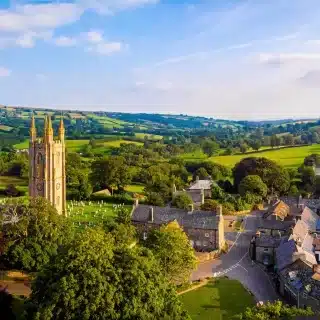
Top 10 Things to Know If You’re Moving to England
A country of history, humor, and hard truths

Staying in One Country Could Be Your Biggest Financial Risk
Diversify your portfolio across borders to better protect your future
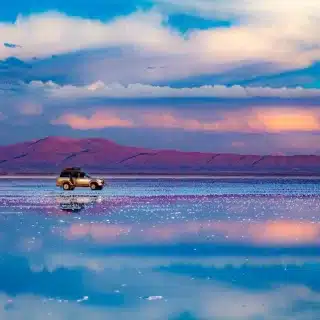
The World’s 10 Most Breathtaking Countries
And proof we live on a masterpiece of a planet
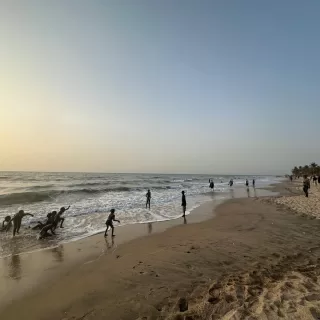
Could The Gambia Become Africa’s Next Digital Nomad Safari?
Low-cost and culturally rich, the “Smiling Coast” is emerging as an attractive option for remote professionals

Where Expats Are Moving to Keep More of Their Money
How global citizens are choosing low-tax, high-freedom destinations in 2025

Plan B
All the information you need to make the move overseas

Staying in One Country Could Be Your Biggest Financial Risk
The idea that true safety lies in staying put—in building a life, a portfolio, and a future within the confines of one flag—has long guided financial and personal decision-making. But the…
Share

Where Expats Are Moving to Keep More of Their Money
For decades, moving abroad was a story about romance and reinvention — Mediterranean terraces, tropical beaches, mountain hideaways. But in 2025, the narrative has sharpened. The question…
Share
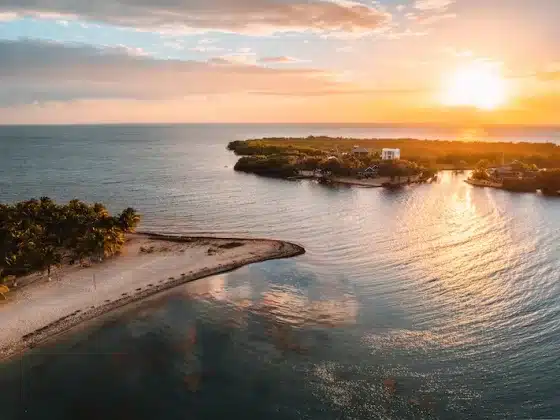
Why Belize’s Waters Run Deep in Offshore Banking
In a world where financial markets are constantly shifting and regulatory tides are in flux, discerning investors are drawn to places of clarity, calm, and depth. Few nations embody this…
Share

Tax-Friendly Banking Solutions for International Investors
In the lifecycle of wealth, there’s a threshold where growth is no longer the only priority. What matters just as much is preservation—keeping what you’ve earned, protected and intact,…
Share
Sign up for the EA Newsletter
Get important news delivered directly to your inbox and stay connected!
Global Roundup


Trending Posts

Staying in One Country Could Be Your Biggest Financial Risk
Diversify your portfolio across borders to better protect your future

Top 10 Things to Know If You’re Moving to England
A country of history, humor, and hard truths

How I Built a Life in Tokyo in 3 Months
Tips for building community, finding short-term housing, and getting into local scenes
A Step-by-Step Guide to Gaining Residency in Mexico
Understanding INMs, FMMs, and the power of the Canje

Western Sahara. Africa’s Last Colony
A desert nation divided by walls, politics, and an unfinished fight for freedom
Latest News: Lava, Leaders, and Lines in the Sand
The latest news and trends from around the world
Latest News: Fires, Fortunes & Frontiers
The latest news and trends from around the world
Interviews
Insightful Q&As with travelers and expats from around the globe

Inside the World of Luxury Travel with Christina Tan
For Christina Tan, luxury has never been about surface shine. As one of the world’s most respected hospitality influencers and a Leica Ambassador, Christina has carved out a global platform…
Share

The House We Rebuilt in Georgia
Some homes aren’t found on property sites—they’re found in memory. That was true for David Macharadze, a 43-year-old Brit whose Georgian surname was the only part of his heritage he’d carried…
Share

Meet the Legal Strategist Guiding Portugal’s New Wave of Expats
João G. Gil Figueira isn’t here to sell Portugal, he’s here to translate it. From Lisbon, Figueira advises the global clients drawn to the country’s promise—remote entrepreneurs, private…
Share